An urgent need, a collective response
During the COVID-19 pandemic, health workers around the world faced a shortage of protective equipment at the moment they needed it most. In Morocco, Mohamed Rahmo helped bring people and materials together to produce protective face shields for doctors and donate them to hospitals around the country. The response was built through coordination: finding resources, connecting skills and helping people act together quickly.
That work belongs to the story of madNess, the Moroccan NGO he founded. For this publication, its significance lies in the kind of work it represents. It is an example of innovation as something a community makes useful in a particular situation, rather than an invention delivered from outside.
Innovation as coordination
A face shield is not a complicated object. Its value in a crisis comes from everything around it. Materials have to be found when normal supply chains are disrupted. Contributors with different skills have to be brought together. Production has to be organised safely. Deliveries have to reach the people who need them, in the places where they work.
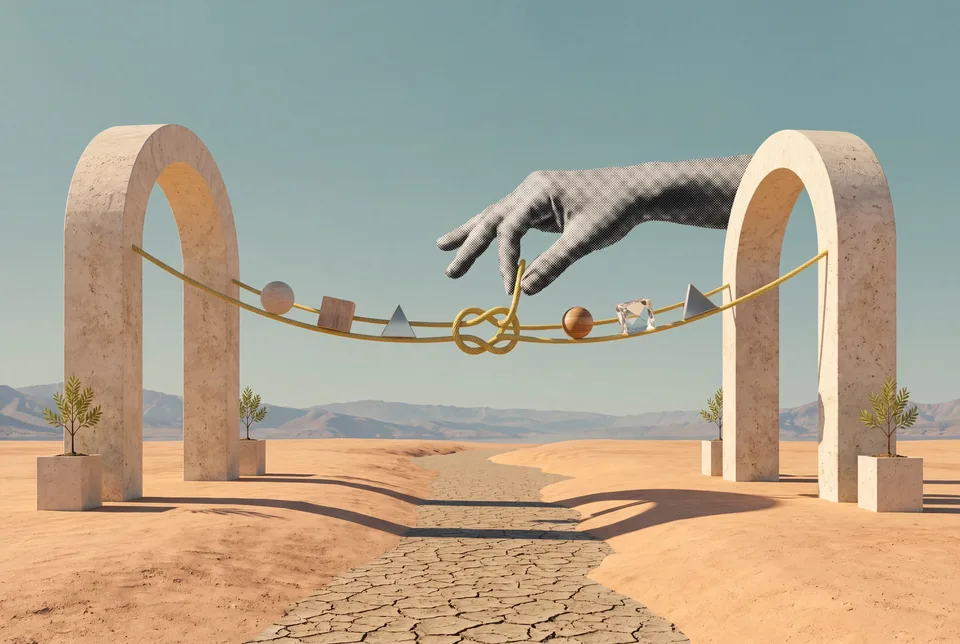
The relationships between these activities are the work. A design means little without materials, materials mean little without people to assemble them, and finished equipment means little if it never reaches a hospital. In moments like this, the most important innovation is often not a new object but a new arrangement of people, trust and logistics.
That is why community responses can move quickly when formal systems are stretched. Networks of volunteers, local makers and organisers can adapt to changing needs, share information directly and fill gaps that larger institutions cannot reach in time.
What collective action makes possible
Stories of crisis response often focus on a single hero. The reality of work like this is almost always collective. It depends on people who offer their time, skills, space, transport and contacts, often without recognition. A credible account should make room for those contributors rather than turning collective action into a story about one individual.
Collective action also reveals something about a community’s capacity. The relationships built during an emergency do not disappear when it ends. People who learned to work together, solve problems quickly and trust one another carry that experience into the next challenge, whether it is another emergency or a long-term project.
Lessons that travel beyond a crisis
Several lessons from community responses like this apply well beyond a pandemic. Start from a clear, shared need that people can understand immediately. Make it easy for people to contribute what they actually have, instead of asking everyone to do the same thing. Keep communication simple and direct. Focus on getting something useful to the people who need it, then improve it as you learn.
There are also limits worth acknowledging. Community efforts can be fragile, dependent on the energy of a few people and difficult to sustain over time. They work best alongside institutions, not as a permanent replacement for them. Understanding both the strengths and the limits is part of learning from the experience honestly.
A story to document together
This piece is an outline of a larger case study. The full story deserves space for the people who took part, the obstacles they met and the decisions they made under uncertainty. It should be told through their accounts and original records, without exaggeration and without numbers that cannot be verified.
The next step is to gather original photographs, invite contributors who wish to be named and confirm the sequence of events. Those details will turn this outline into a useful record of how a community in Morocco organised itself to protect the people caring for others. If you took part in that effort, or have materials that help tell it accurately, the journal would welcome hearing from you.